Subliminals are audio tracks with spoken affirmations placed underneath music, rain or white noise, at a volume low enough that you don't consciously make out the words. The affirmations are usually short, present-tense statements about a goal, such as confidence, calm, focus or how you see yourself.
Listeners loop them while working, walking or falling asleep. Many describe them as a gentle way to hear the same supportive story about themselves day after day until it starts to feel familiar. Research on hidden audio is still early and limited, so it helps to treat a subliminal as one repetition tool among others.
This guide covers the practical side: choosing a goal, how long and how loud to listen, overnight listening, playlists, and the community jargon you'll run into.
What a subliminal actually is (and isn't)
A subliminal is an audio track with affirmations recorded underneath something else, usually music, rain or white noise. The affirmations are turned down, layered or masked so you don't consciously hear the words. You loop it, and the idea is that hearing the same statements over and over gradually shifts what feels normal to you.
That's it. There's no frequency you have to tune into and no ritual you have to perform for it to "count". Most of what you'll read on r/Subliminal is the community building rules on top of that simple idea, some helpful and some not.
It also helps to know what subliminals aren't. They aren't a replacement for effort, therapy or medical care.
And they aren't a remote control for other people. A subliminal is a repetition tool. It helps you hear the same story about yourself often enough that it starts to feel like yours.
Under a long rant about people saying subs "don't work", one reply put it simply: "I think the issue is a lot of people find subliminals before they find the law."
It's a fair point. Many people arrive through a TikTok results video, start looping a playlist, and never learn the ideas underneath: self-concept, assumption, why repetition matters. If that's you, the self-concept guide and the affirmations guide are worth reading alongside this one.
A subliminal is repetition you choose. Everything else is detail.
Step one: pick one goal you can actually name
The most common beginner question is really a goal question in disguise. "How long should I listen to my playlist of 15 videos?" usually means "I want fifteen things and I don't know where to start."
Start with one. Not because subliminals can only handle one topic, but because you can only pay attention to one change at a time. If your playlist covers confidence, studying, a relationship, money and sleep, you won't be able to tell what's shifting, and you'll start doubting all of it.
A good first goal has three qualities:
- You can say it in one sentence. "I feel calm and capable in exams" beats "I want my life to be perfect".
- It's about you. How you feel, think and act. Not about controlling someone else, and not about changing your body.
- You'd notice it. You can picture an ordinary Tuesday where it's true.
If you're torn, a lot of long-time listeners suggest starting with how you see yourself. Confidence or self-concept tracks tend to make everything else feel easier, because they change the voice that judges whether anything is working.
"How long should I listen every day?" Listening time and looping
There's no proven number of minutes, and anyone who gives you a precise dose is guessing. What the community mostly agrees on is that consistency matters more than intensity. Thirty minutes most days is a habit; a ten-hour binge once a week is a mood.
One popular, blunt post on r/Subliminal described group challenges where dozens of people agreed to loop one subliminal for a month.
By the second week, half had stopped. The poster's conclusion was simply that consistency was the difference. You don't have to agree with the title ("you're not getting results because you're LAZY") to see the point: a habit you keep beats a perfect routine you drop.
What looping means
"Looping" just means playing a track on repeat. Most subliminals are short, often a few minutes each, so people loop a single track or a whole playlist for a set time. A few practical defaults:
- Pick a slot you already have. Your commute, your skincare routine, your walk, the first hour of homework. Attaching it to something you already do is how it sticks.
- Loop for a set time, not a set count. "Twenty minutes on the bus" is easier to keep than "eleven listens".
- Keep the volume low. Subliminals are meant to sit quietly. Loud doesn't mean stronger, and long hours at high volume aren't kind to your ears. See what volume to use.
A typical beginner post: fifteen videos in a playlist, "I don't know how many times should i listen to each video", and a question about whether to loop all of them or focus on one. Our answer: focus wins. One goal, a short playlist, looped at the same time each day. If you want more structure, the blog has detailed breakdowns on how long to listen daily and building a listening routine.
Choose a listening slot you'll still be keeping in a month. That's the right amount.
"Can I listen while I sleep?" Overnight listening and AirPods
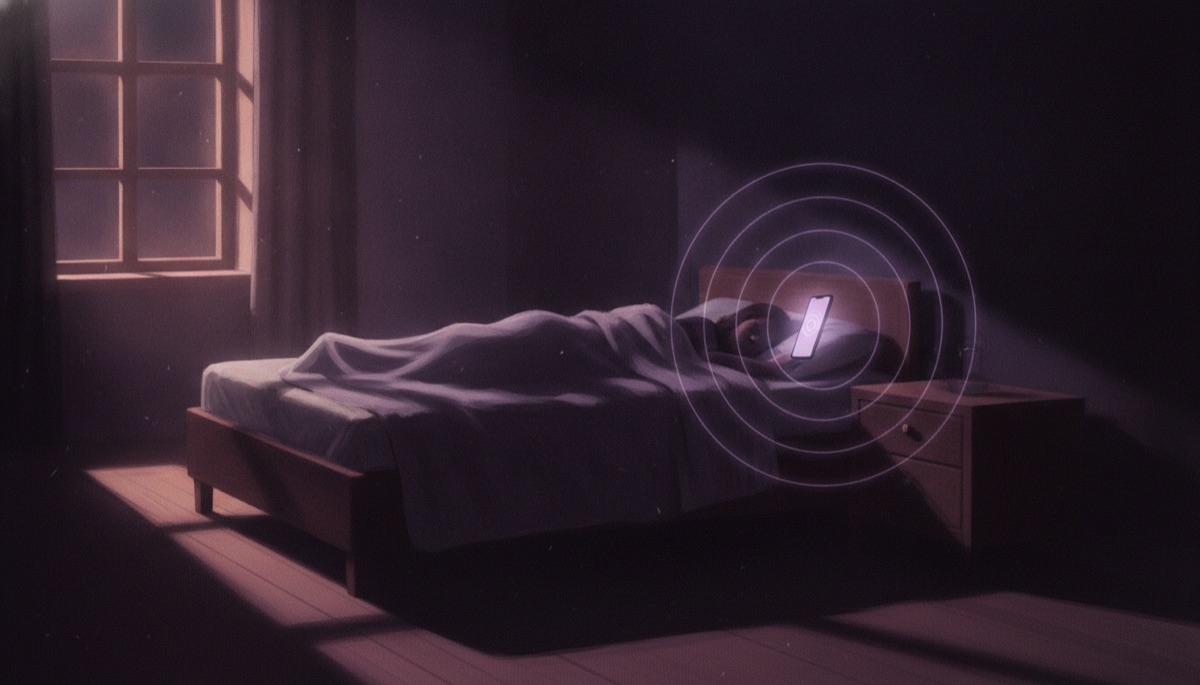
Overnight listening is hugely popular, mostly because it's easy: you press play and go to sleep.
Lots of people on the sub say it's the only time they have. Others say they can't sleep with anything playing at all. Both are fine.
The question that comes up constantly is whether it's OK to sleep with earbuds in. The most upvoted replies in a 65-comment thread were firm about it, and they weren't about results. They were about sleep and ears.
"go with speakers, set a time limit on clock app so it cuts off 15-60 minutes in. sleep is essential"
Other replies in the same thread mentioned ear pain, sore jaws, and waking up hunting for an AirPod under the pillow. We're not going to make medical claims either way. But common sense applies: eight hours of something wedged in your ears every night isn't nothing, and a subliminal that costs you good sleep is a bad trade.
Another thread asked the practical version: "won't your earphones come out while sleeping?" The answer that came back was the same one: use a speaker.
A sensible overnight setup
- Speakers over earbuds. A phone or small speaker on the bedside table, at low volume, works. You don't need headphones for a subliminal; see subliminals without headphones.
- Use a sleep timer. Most phones can stop audio after a set time. Thirty to sixty minutes covers the drowsy stretch while you fall asleep.
- If you want headphones, people in the thread recommended soft sleep headbands that don't sit inside the ear canal.
- If you wake up tired, stop. Several people said they slept worse with subs playing all night. That's information, not a sign it's "working".
The debate
Overnight is best
You're relaxed, your guard is down, and it takes zero effort. It's the only time some people have.
Daytime is best
You're awake and can pair it with your own affirmations and attention. Your sleep stays untouched.
Our take
Both work for different people, so pick the one you'll keep. The drowsy minutes as you fall asleep are what many people find valuable, which is why a timer is a good middle ground: you get that window without eight hours of audio. If overnight listening disturbs your sleep in any way, daytime is the better choice. More detail is in the overnight subliminals guide.
"Can I play it in the background while studying?"
Yes. This is one of the easiest questions on the sub, and the answers are nearly unanimous. Most people listen while doing something else: homework, drawing, gaming, working, scrolling.
"I don’t think I’ve ever listened to a subliminal while not doing something."
A few things make background listening work better:
- Watch out for competing words. If you're reading dense notes or writing an essay, layered speech and music can be distracting. Some people switch to rain or white-noise versions for focused work.
- Don't stack it with loud audio. Playing a sub under a podcast or a playlist with lyrics usually means you've just turned it into noise.
- Notice how you feel while it plays. If the track makes you anxious or irritable, that matters more than any rule about when to listen.
There's more on this in subliminals while working and subliminals for studying.
Background listening is normal. Just don't bury it under louder audio.
"How many subs can I put in a playlist?" Size, mixing and changing playlists
This might be the single most asked logistics question. One post this month asked whether it was OK to put 100 subliminals in one playlist. Another described looping 47 at the same time, ten hours a day, covering a dozen topics at once.
The replies were split, but the most honest ones were also the most cautious.
"Personally, I have tried many subs at once and ended up feeling tired as hell, but maybe it depends on the person??"
One reply under the 100-sub post summed it up in six words: "You surely can! But should you?"
The debate
Keep it small
A few focused tracks. You can tell what's shifting, it's easier to keep up with, and you don't feel overloaded.
Bigger is fine
Plenty of people run long playlists covering many topics and say it works for them. The mind can take it.
Our take
Nobody has measured a correct number, so we won't invent one. But the practical case for small is strong. A short playlist is easier to loop consistently, easier to judge, and less likely to leave you anxious about whether you're "doing it right". Start with three to five tracks on one theme. Add more only if you find yourself wanting to, not because you're worried you're missing something. The blog has more in how many subliminals at once.
Mixing subs
Mixing means listening to subliminals on different topics in the same playlist, or layering two tracks so they play at the same time. Mixing topics is common and generally fine if they point in the same direction, like confidence and public speaking.
The time to be careful is when tracks contradict each other, such as one about letting go of someone and another about getting them back. And playing several tracks at once on top of each other mostly turns them into a wall of sound. One commenter's verdict on the 47-at-once setup: "Sounds like a jumbled mess."
Changing your playlist
"ive been looping the same few subs for months now and i've only gotten very small results"
The worry behind "is it safe to change playlist?" is that dropping a track will undo it, or that new affirmations will clash with old ones. They won't.
You're not loading files that get deleted when you stop. You're practising a way of thinking, and you can keep that practice going with different tracks.
Reasonable times to change:
- Your goal has changed, or a track no longer matches it.
- A track makes you uncomfortable, or you don't fully trust what's in it.
- You've been consistent for a good while and want a fresh angle on the same goal.
Bad reasons to change are boredom on day three, or a new "results" post making you feel your playlist is outdated.
Constant swapping is one of the quickest ways to never know what's helping.
Boosters, detox and purging: what's real?
These three words come up in almost every thread, and they're often presented as rules. They're not. They're community ideas, and it helps to know where each one comes from.
Boosters
A booster is a track meant to make other subliminals "work faster" or "hit harder", played before or alongside your main playlist. Some are about receptiveness or self-belief; some promise to amplify everything else.
If you like a booster because its affirmations help you feel open and confident, that's fine. It's just another affirmation track. But you don't need one: your main track's affirmations are what do the work. Be especially wary of boosters that promise speed, because promises of speed are how people end up chasing faster and faster results instead of noticing what's already changing.
Detox and purging
"Detox" or "purging" is the idea that when a subliminal starts working, old beliefs come up first, so you feel worse before you feel better: bad moods, nightmares, a rough week, even physical symptoms. On the sub, it's used to explain almost anything unpleasant.
One long question post laid out the theory well: some people compare opposite results to a detox, where "you feel worse before you feel better."
Here's the honest version. Repeating affirmations that clash with what you believe can stir things up emotionally.
That's real, and it's worth being gentle with yourself about. But "purging" is also a story that can keep people listening to something that's genuinely making them feel bad. One post described fifteen nightmares in a single night after adding new subs, and the first reply was "It just means you are purging your old beliefs."
Myth
Nightmares, headaches or feeling awful mean the subliminal is working.
What actually happens
There's no evidence that feeling bad is a sign of progress. If a track leaves you anxious, exhausted or unwell, stop it, take a break, and check that you're sleeping properly and listening at a low volume. If physical symptoms carry on, see a doctor, and if your mood stays low, talk to someone you trust or a professional. You can read more in subliminals side effects and subliminal detox symptoms.
Boosters and detox are optional stories. Your sleep, your mood and your peace come first.
"Help?? Opposed results?" When things seem to go backwards
"Reverse results" or "opposed results" means getting the opposite of what a subliminal is about: listening to a confidence track and having the most awkward week of your life, or a relationship sub followed by silence. It's one of the most anxious corners of the community, and it often turns into fear of particular creators or of "hidden" affirmations.
A few calmer ways to look at it:
You notice more. When you start focusing on a goal, you suddenly see every moment that doesn't match it. The awkward conversations were always there; now you're counting them.
Life keeps happening. A bad week during a new playlist isn't automatically caused by the playlist. Some weeks are just bad.
Checking makes it louder. One of the best replies on a "subs stopped working" thread used a computer comparison. It asked how many tabs "related to monitoring result-getting" your mind has open, then added: "Hard to overwrite a file that's currently open." If you spend the day monitoring for results, you're rehearsing "it hasn't happened yet" far more than any track can counter.
Sometimes it's the track. If you don't know what's in it, you can't rule out wording you'd disagree with. That's the next section.
What to do if you think you've had reverse results
- Stop the track. You don't need to "flush" anything. Just stop.
- Take a few days off subliminals and the subreddit.
- Write down what actually happened, separate from what you fear it means.
- Restart with tracks you trust: ones with published affirmations, or ones you've written or approved yourself.
Hidden vs. visible affirmations: why trust matters
Here's something the community says out loud more often than you'd expect, and it's true:
"there’s no way to verify what’s in a subliminal"
The whole point of a subliminal is that you can't hear the words. That means you're trusting whoever made it.
Some creators publish their full affirmation list. Many don't. Even when a list is published, you can't check it against the audio by listening.
That's why "is this creator safe?" is the most common question type on the sub.
People worry about affirmations they never agreed to: aggressive wording, comparisons that put other people down, lines about other people, or vague extras they'd never have chosen. Whether or not you believe a hidden line could affect you, wanting to know what you're listening to is a completely reasonable instinct.
| Subliminal (hidden) | Supraliminal (audible) | |
|---|---|---|
| What you hear | Music or noise; the words are masked | The affirmations, clearly, often over music |
| Can you check the words? | Only if the maker publishes a script, and even then not by ear | Yes, every time you listen |
| What people like | Easy to play in the background or overnight | No guessing; feels like being talked to |
| Common complaint | Trust: 'what's actually in this?' | Can feel awkward or cringe at first |
How to choose tracks you can trust
- Prefer makers who publish every affirmation, and actually read the list before you loop it.
- Skip anything with wording you wouldn't say to yourself. Comparisons, put-downs of others, and lines about controlling someone are red flags.
- Be wary of extreme promises. A track that claims to work in "3 listens" is telling you something about how it's marketed.
- If you already feel uneasy, skip it. That was the commenter's full advice, and it's good advice. Unease is a bad starting point for a repetition practice.
If you can't see the affirmations, you're trusting a stranger. Choose who you trust on purpose.
Custom subs or creator subs?
A big shift in the community over the past year is towards making your own subs, or getting a custom one made.
Posts like "make your own subliminal!! IT WORKS LIKE MAGICCCC!!" sit near the top of the sub, alongside long threads asking whether it's actually better or just placebo.
"I think it just shows that we are all different, and shouldn't jump on bandwagons (positive or negative)"
That reply, under a post about creators the community calls "evil" giving some people their best results, is the most sensible thing anyone said about creator drama this month.
Reputations swing fast. A creator is a hero one week and "unsafe" the next. You don't need to follow the drama to decide what to listen to.
| Creator subs | Custom subs | |
|---|---|---|
| Cost | Usually free on YouTube | Free if you make it; paid if someone makes it for you |
| Affirmations | Written for a broad audience; sometimes unpublished | Written for your exact goal; you know every line |
| Trust | Depends on the maker | You decide what's in it |
| Effort | Press play | Writing, recording or approving the script |
| Best for | Exploring, general themes | Specific goals, or anyone worried about hidden content |
Neither is automatically "stronger". The real differences are fit and trust.
A creator sub for "confidence" was written for thousands of people. A custom one can say exactly what you need, in words you'd actually use, and you know nothing else is in there.
If you make your own, the blog has guides on writing subliminal affirmations and making your own subliminal. Keep the lines first person or second person, whichever feels more natural to you, present tense, and believable enough that you don't argue with them.
What results actually look like (and why there's no timeline)
"How long until results?" is asked every single day. We're not going to give you a number, because nobody honestly can.
People who say "results in three days" are describing their own experience at best, and selling you something at worst.
What we can describe is what changes people tend to report when things go well. They're mostly quieter than the videos suggest:
- The old negative thought shows up and you notice it, instead of believing it.
- You do the thing you were avoiding, and only realise afterwards that it wasn't a big deal.
- Someone comments that you seem different, more relaxed or more confident.
- You stop checking whether it's working, because you're busy.
One long "how I did it" post on the sub stressed patience, and something people rarely say: taking breaks. "Spending all of your time listening to subliminals can really take away from the quality of your life," the poster wrote.
They compared it to working out: you can't see change in the mirror day to day, only over longer stretches. Constant monitoring makes gradual change invisible and makes you anxious.
About before-and-after photos
Results photos are the currency of r/Subliminal. They're also where the community's own skeptics push back hardest. One of the most engaged posts of the year was titled, roughly, "99.9% of subliminal results in this sub", and its point was that a lot of "results" are just people growing up.
"Fr I'm tired of seeing sub results that are just the person with makeup or extremely different lighting"
Myth
Before-and-after photos prove subliminals change how you look.
What actually happens
Photos taken months apart, in different light, at different angles, with or without makeup, prove very little. People also grow, change routines and get better at taking photos. We don't make any claims about subliminals changing your body or appearance, and we'd gently suggest not measuring yourself against other people's photos. Notice how you feel and act. That's where the honest results are.
If you want a better way to track things, the blog has a post on how to know if a subliminal is working that focuses on inner signs rather than the mirror.
No honest guide gives you a timeline. Watch how you think and act, not the calendar.
Your thoughts are the other half of the track

If you only take one section from this guide, take this one. One of the most useful posts on r/Subliminal this year was from someone who'd listened for over ten years without significant results, and finally worked out why.
"What matters are not the affirmations you listen to but the thoughts you have about yourself when there's no one around."
Their point: you can loop "I am confident" for an hour, then spend the rest of the day calling yourself useless.
Which message do you think gets more practice? The poster was careful to add that one negative thought won't ruin anything and you don't have to be perfect. But you can't ignore the running commentary entirely and expect a track to outvote it.
This isn't about blame. Negative self-talk usually comes from somewhere real, and nobody switches it off by deciding to. It's about noticing that the subliminal is one voice among many, and giving it some backup.
The debate
Belief doesn't matter
That's the point of a subliminal: it works below your conscious doubts, so you don't need to believe it.
Belief is everything
If you tell yourself it won't work and keep checking, it won't. Your mindset decides.
Our take
Both sides overstate it. You don't need certainty to press play, and plenty of people start out skeptical. One commenter put it as "your subconscious doesn't care if you have doubts or not." But your repeated thoughts are a kind of affirmation too, and they run all day. So you don't have to believe the track. Just try not to rehearse the opposite of it. There's more on this in the affirmations guide.
"But what if I need it too badly?"
A popular post argued that desperation blocks results, because needing something badly means constantly affirming that you don't have it. The top pushback was sharp and fair: "What if it’s something that you DO need? Like food/shelter/connection?"
That deserves a straight answer.
If you're struggling with basic needs, your safety, or your mental health, a subliminal is not the plan. It can sit alongside real help, but it can't replace it. Reach out to people you trust, local services, or a professional.
And if listening or manifesting starts feeding anxiety, obsession or panic rather than easing it, step back and talk to someone. The when nothing is working guide goes deeper on this.
Myths worth dropping
Some ideas on the sub do more harm than good. These are the ones we'd let go of.
Myth
'Forced' subs or '3 listens only' tracks work faster and harder.
What actually happens
These are marketing labels. There's no evidence that a track labelled forced, aggressive or "3 listens" does anything different, and the promise of speed sets you up to feel like a failure when your life doesn't change overnight. It also trains you to keep chasing the next, stronger track. A steady, gentle habit with affirmations you trust is the better bet.
Myth
Extreme hacks speed up results.
What actually happens
A long-time member shared how, years ago, she followed comment-section advice to put lime juice in her eyes while listening, hoping to change her eye colour faster. Her verdict: "It was pure hell, my eyes were constantly bloodshot and burning." Nothing you put in your eyes, skip eating, or do to your body makes a subliminal "work". If a tip involves hurting yourself or restricting food, it's a no, full stop. If you're struggling with how you see your body, please talk to someone you trust or a professional.
Myth
A subliminal can make a specific person do something.
What actually happens
Subliminals work on your own thinking. They don't override anyone else's choices, and tracks built around obsession or control tend to make listeners feel worse, not better. If you're working on a relationship, focus on how you see yourself and how you show up. The specific person guide covers this honestly.
If a tip promises speed or asks you to hurt yourself, it's not a technique. Skip it.
Where Innercast fits
A lot of this guide comes back to one problem: you can't see what's inside someone else's track, and generic affirmations rarely sound like you. That's why we built Innercast.
You pick your goals, and you read and approve every affirmation before your track is made.
Nothing is hidden, nothing is added that you didn't agree to, and the words can sound like the way you actually talk. It won't do the inner work for you, and we'd never promise a timeline. But it means the voice in your ears is saying exactly what you chose.
FAQ
How long should I listen to subliminals each day? There's no proven amount. Pick a listening slot you can keep most days, such as a commute or the time before sleep, and stick to it. Consistency matters more than hours. See how long to listen daily for more.
Is it safe to sleep with AirPods in while listening? Many people prefer not to, for comfort and sleep reasons. A speaker at low volume with a sleep timer is a gentler setup. If you wake up tired or sore, stop listening overnight.
Do subliminals work in the background? Most people listen while doing something else, and that's fine. Just avoid playing them under louder audio like podcasts, which mostly drowns them out.
How many subliminals should be in my playlist? Nobody has measured a correct number. Three to five tracks on one theme is easier to keep up with and easier to judge than dozens at once.
Is it safe to change my playlist? Yes. Stopping a track doesn't undo anything. Change when your goal changes or a track no longer feels right, not every few days out of worry.
Do I need a booster? No. A booster is just another affirmation track. If you like one, fine, but nothing requires it.
Are detox and purging real? Feeling stirred up by affirmations that clash with old beliefs can happen. But there's no evidence that feeling worse means it's working. If a track makes you feel bad, stop it, and see a doctor or talk to someone if symptoms or low mood carry on.
What are reverse or opposed results? It's the community's term for getting the opposite of what a track is about. Often it's noticing more, normal life, or anxious checking. If you're worried, stop the track and switch to one whose affirmations you know.
Should I make my own subliminal or use a creator's? Both can work. Creator subs are free and easy to try; custom subs mean you know every line. If hidden content worries you, custom or fully published scripts are the way to go.
How long until I see results? We don't give timelines, and we'd be wary of anyone who does. Look for inner shifts, like how you talk to yourself and how you act, rather than counting days.